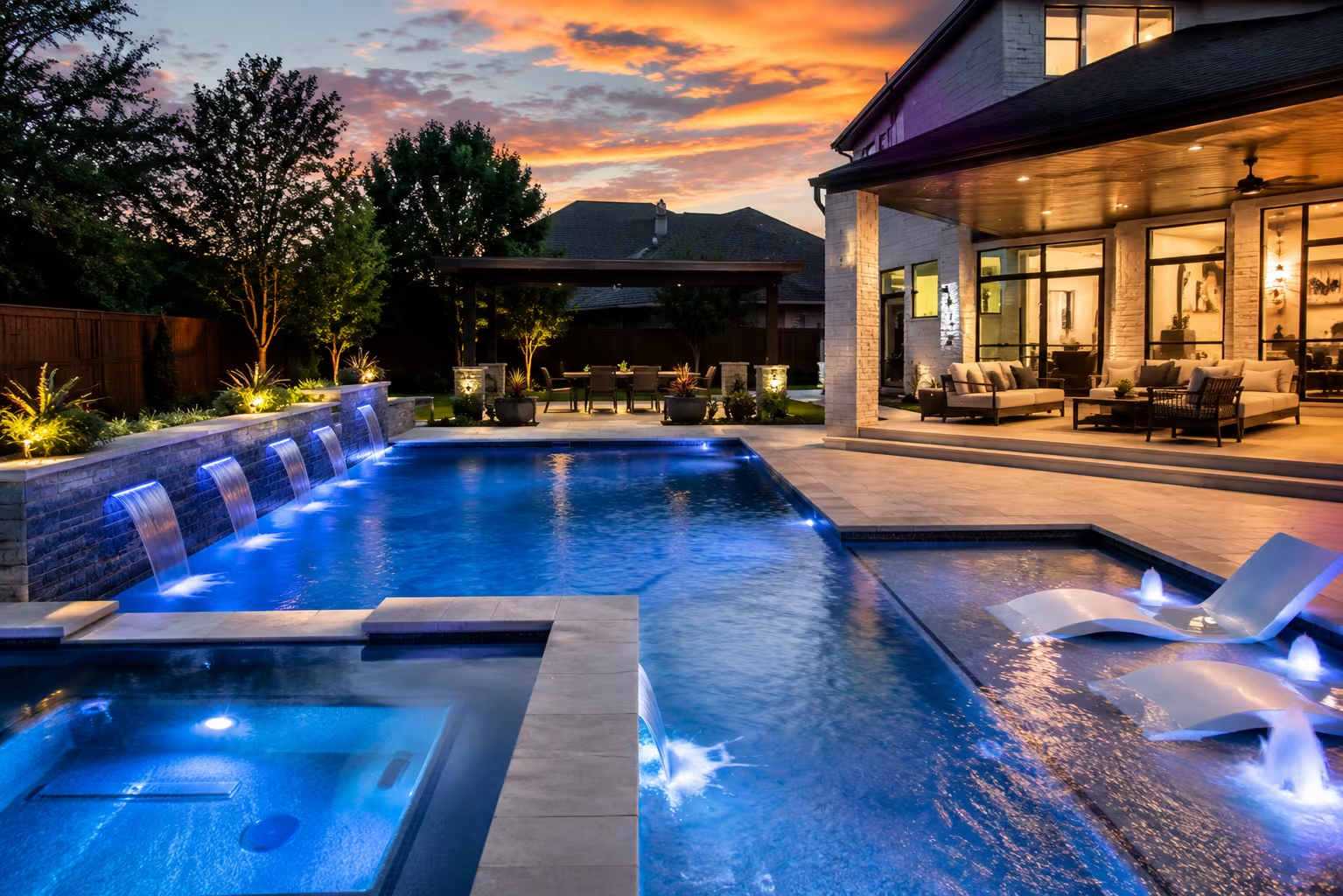
A backyard pool is one of those things that just makes life better — lazy afternoons with the family, weekend get-togethers, kids splashing around while the adults actually get to relax. But with that comes a responsibility that shouldn’t be taken lightly. Keeping people safe around the water isn’t optional, and it matters whether you have young children, pets, or a steady stream of visitors coming through.
One of the simplest and most effective things you can do is install a self-closing pool gate. It doesn’t sound particularly exciting, but it genuinely makes a difference. Combined with solid fencing and the right safety barriers, it’s one of the easiest ways to make your pool area a whole lot safer for everyone.

Why Pool Gates Matter
Most backyard accidents don’t happen because someone was being reckless — they happen in moments of distraction. Kids are curious by nature, and it only takes a second for them to wander toward the water when no one’s looking.
A self-closing pool gate removes the human error from the equation. It closes behind you automatically, so there’s no relying on anyone to remember to push it shut on their way through.
And honestly, that one small thing makes a bigger difference than you’d expect — because in a busy household, people forget, kids run through without a second thought, and suddenly the pool is sitting wide open without anyone realising.
How Self-Closing Pool Gates Work
Self-closing gates use spring-loaded or hydraulic hinges that gently pull the gate shut after it’s been opened. Once it closes, the latch engages automatically — so getting through requires deliberate effort, not just a nudge.
Most modern systems are built to handle outdoor conditions year-round without losing their reliability. The concept is straightforward: create a consistent, dependable barrier between the pool and anyone who shouldn’t have unsupervised access to it.
Meeting Pool Gate Safety Requirements
Every region has its own rules, but most local building codes share similar principles when it comes to pool safety.
Common requirements often include:
- Gates that automatically close after opening
- Self-latching mechanisms
- Latches positioned out of reach of young children
- Gates that open away from the pool area
- Strong fencing with minimal gaps
Staying compliant with these requirements isn’t just about ticking boxes — it protects your family and keeps you on the right side of your insurance provider too. Professional installation is the best way to make sure everything’s done properly from the start.
The Importance of a Secure Pool Gate Latch
A gate is only as good as the latch holding it shut.
A quality pool gate latch locks automatically the moment the gate closes, adding another layer of security. Good latches are designed to be genuinely difficult for young children to figure out while still being easy enough for adults to use without frustration.
It’s worth checking the latch regularly to make sure it’s still working the way it should — a little routine inspection goes a long way toward keeping things dependable year-round.
Swimming Pool Safety Barriers Save Lives
A gate on its own is great, but it works best as part of a bigger picture.
Proper pool safety means layering your defences — fencing, gates, locks, alarms, and supervision all working together. No single device replaces having an adult present, but when you combine multiple safety measures, you create an environment where the risk of accidental entry drops significantly.
Think of it less as one solution and more as a system where everything backs everything else up.
Benefits Beyond Child Safety
Self-closing gates are most often installed with kids in mind, but the benefits go well beyond that.
They help:
- Keep your pets from accidentally falling into or wandering around the pool area
- Stop uninvited people from accessing your pool when you’re not around
- Give yourself the peace of mind that your pool is secure, even when you’re not watching
- Make your property a safer place for everyone who visits
- Stay on the right side of your local council’s rules and regulations without the stress
For any pool owner, that’s a pretty compelling list of reasons to invest in a good gate.
Professional Installation Makes a Difference
Even the best gate in the world is only as good as the person who puts it in. If the hinges aren’t tensioned right, the latch sits out of alignment, or the fence integration is off, you’ve got a safety feature that isn’t actually doing its job — and that defeats the whole purpose.
Getting it professionally installed means you know everything is closing the way it should, latching securely, and ticking all the right boxes when it comes to safety standards. After that, a bit of routine maintenance and the occasional check-up is all it takes to keep it working reliably for years down the track.
Additional Backyard Pool Safety Tips
A self-closing gate is one of the most important upgrades you can make, but it works best alongside good habits and a few other precautions.
Simple safety habits include:
- Never leaving children unattended near water
- Keeping rescue equipment nearby
- Installing pool alarms where appropriate
- Teaching children basic water safety skills
- Regularly checking gates and latches for wear
Put all of that together and you’ve got a backyard that’s genuinely safer for the people you care about.
Conclusion
Creating a safe backyard pool begins with preventing unsupervised access to the water. A self-closing pool gate, combined with secure swimming pool safety barriers, a reliable pool gate latch, and professional pool installation, provides one of the most effective ways to reduce the risk of backyard accidents. Following local pool gate safety requirements not only protects your loved ones but also gives you greater confidence every time your pool is in use.
If you’re planning a new pool or upgrading your existing outdoor space, Westbank Pools can help you incorporate essential safety features without compromising on style. Their experienced team designs and builds beautiful polls.