
A new pool can completely change how you use your backyard — suddenly it’s the spot for lazy Sunday afternoons, evening laps, and pretty much every family gathering. But along with all that fun comes a responsibility a lot of new owners don’t think much about until it’s too late. It’s easy to get caught up in tile choices, water features, and decking, and let basic safety habits slip through the cracks.
The good news is most pool safety mistakes are avoidable once you know what to watch for. Whether you just had a pool installed or you’re still in the planning phase, these are the habits worth building into your routine from day one.
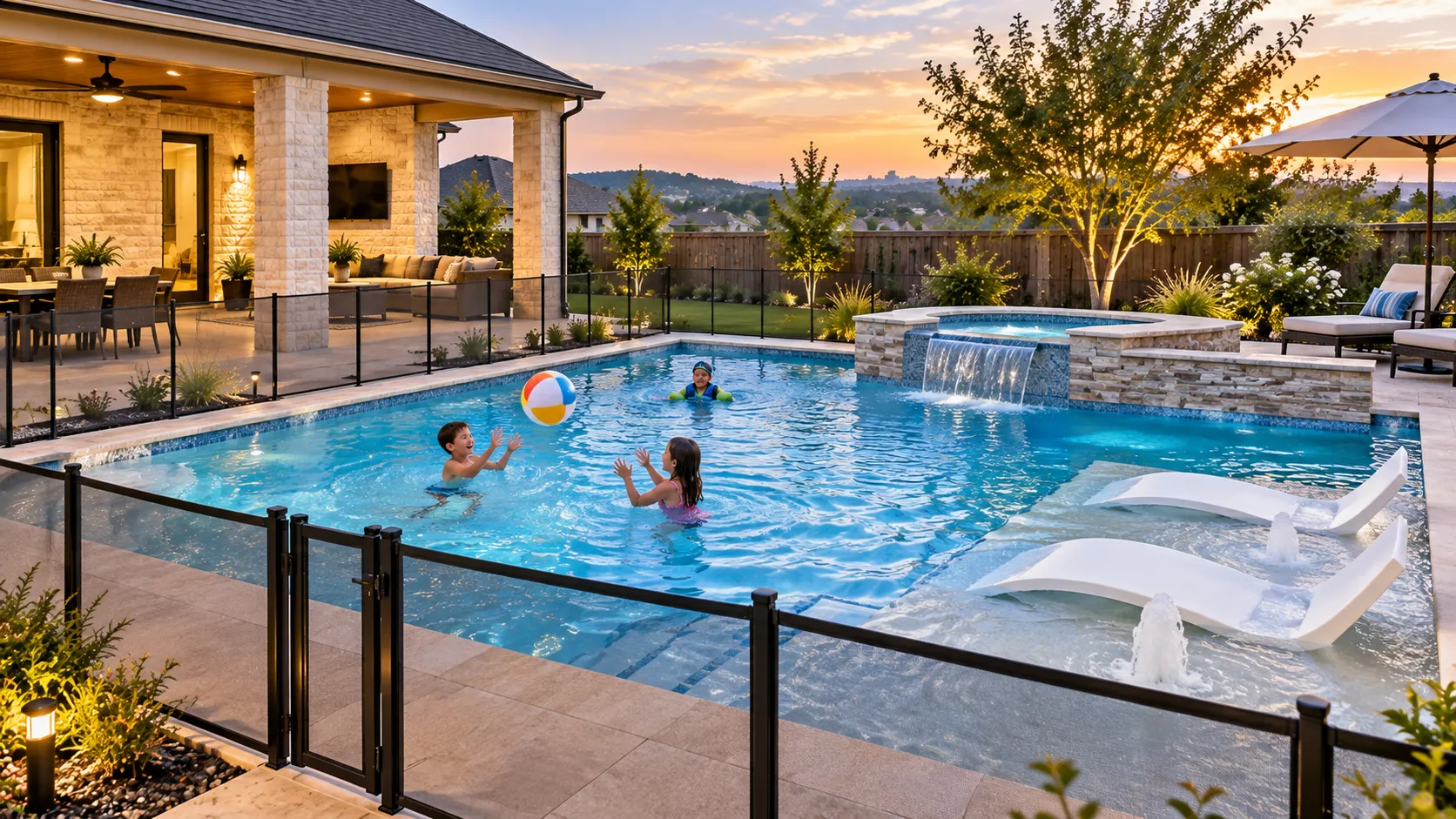
7 Pool Safety Mistakes New Pool Owners Often Make
1. Not Having an Actual Safety Plan
A lot of new pool owners assume everyone just “knows” how to behave around water. They don’t — especially kids, and especially guests who aren’t used to your pool. It’s worth sitting down and setting actual rules: no running on the deck, no diving into shallow areas, the gate stays closed, and kids are supervised any time they’re near the water, no exceptions.
Writing these rules down — even just a simple checklist stuck on the fridge — makes them a lot easier to actually enforce, instead of relying on memory in the moment.
2. Treating Supervision as Enough on Its Own
Watching your kids while they swim matters, obviously. But here’s the trap a lot of parents fall into: they treat supervision as the only safeguard they need. It shouldn’t be.
Real pool safety comes from layering things — supervision plus physical barriers, alarms, and proper safety gear, not supervision alone. And don’t assume that because a kid can swim, they’re immune to trouble. Kids who swim well still drown, still get hurt, still make bad calls in the water. Multiple layers of protection beat betting everything on one.
3. Leaving the Pool Area Open When No One’s Around
An unsecured pool is basically an invitation for something to go wrong the moment nobody’s watching. Gates need to actually close and latch when the pool isn’t in use — not just be theoretically closeable.
It’s also worth keeping furniture, pool toys, ladders, and anything climbable away from fences and barriers. Kids are resourceful, and a stray chair next to a fence is basically a ladder in disguise. Controlling who can get into the pool area, and when, is the real foundation of keeping it safe.
4. Not Knowing Where the Safety Equipment Is
Every pool needs basic safety equipment on hand — but “on hand” only counts if you can actually find it in a hurry. New owners sometimes stash a reaching pole or first-aid kit somewhere out of the way and forget about it until an emergency reminds them.
Think reaching poles, rescue equipment, a stocked first-aid kit, and whatever else your local requirements call for. None of it does much good tucked away in a shed you’d have to dig through during an actual emergency. Accessibility is the whole point.
5. Letting Maintenance Slide
Pool safety isn’t only about preventing falls or drowning — proper maintenance plays a bigger role than people realize. Skipping water chemistry checks or ignoring filtration issues doesn’t just make the pool look bad; it can turn it into an actual health hazard.
Stick to a consistent cleaning routine, keep an eye on your filtration system, and monitor water chemistry the way the manufacturer recommends. Regular inspections also catch small equipment problems before they turn into expensive (or dangerous) ones.
6. Allowing Rough Play and Risky Habits
Diving into shallow water, running around a wet deck, horseplay near the edge — these are the kinds of things that turn a normal afternoon into an ER visit. Set clear, age-appropriate rules, and make sure everyone actually knows where diving is safe (or if it’s allowed at all).
This goes for guests too. Don’t assume visitors will automatically follow your household’s pool rules — tell them before they jump in, not after something happens.
7. Only Thinking About Safety While Someone’s Swimming
Safety shouldn’t be a switch you flip on only when the pool’s in use. Make it a habit to check the pool area even when nobody’s swimming — gates, barriers, equipment, the deck itself.
A simple routine check can cover: making sure gates and barriers are functioning, confirming safety equipment is where it should be, reminding kids of the rules periodically (not just once), scanning the deck for hazards, and double-checking the pool is properly secured when it’s not in use.
Conclusion
A pool should be a source of enjoyment, not unnecessary worry. Avoiding common mistakes and following practical pool safety tips can help you create a safer backyard for your family and guests.
If you’re planning to install a new pool or upgrading an existing outdoor space, Westbank Pools can help you create a beautiful backyard designed around your family’s lifestyle. From custom pool designs to complete outdoor living solutions, thoughtful planning can help you enjoy your pool while keeping safety an important part of the experience.

