
A backyard pool is one of the best spots in the house — great for cooling off, getting some exercise, or just spending time with family on a Saturday. But along with all that comes a responsibility that’s easy to underestimate: keeping the people around it safe. If you’ve got young kids, pets, or a steady stream of visitors, the right precautions can make a real difference.
One of the most effective things you can add is a self-closing pool gate. On its own it’s helpful; paired with solid fencing and regular upkeep, it becomes a genuinely strong first line of defense against someone wandering into the pool area unsupervised. Here’s why that gate matters more than people usually give it credit for.
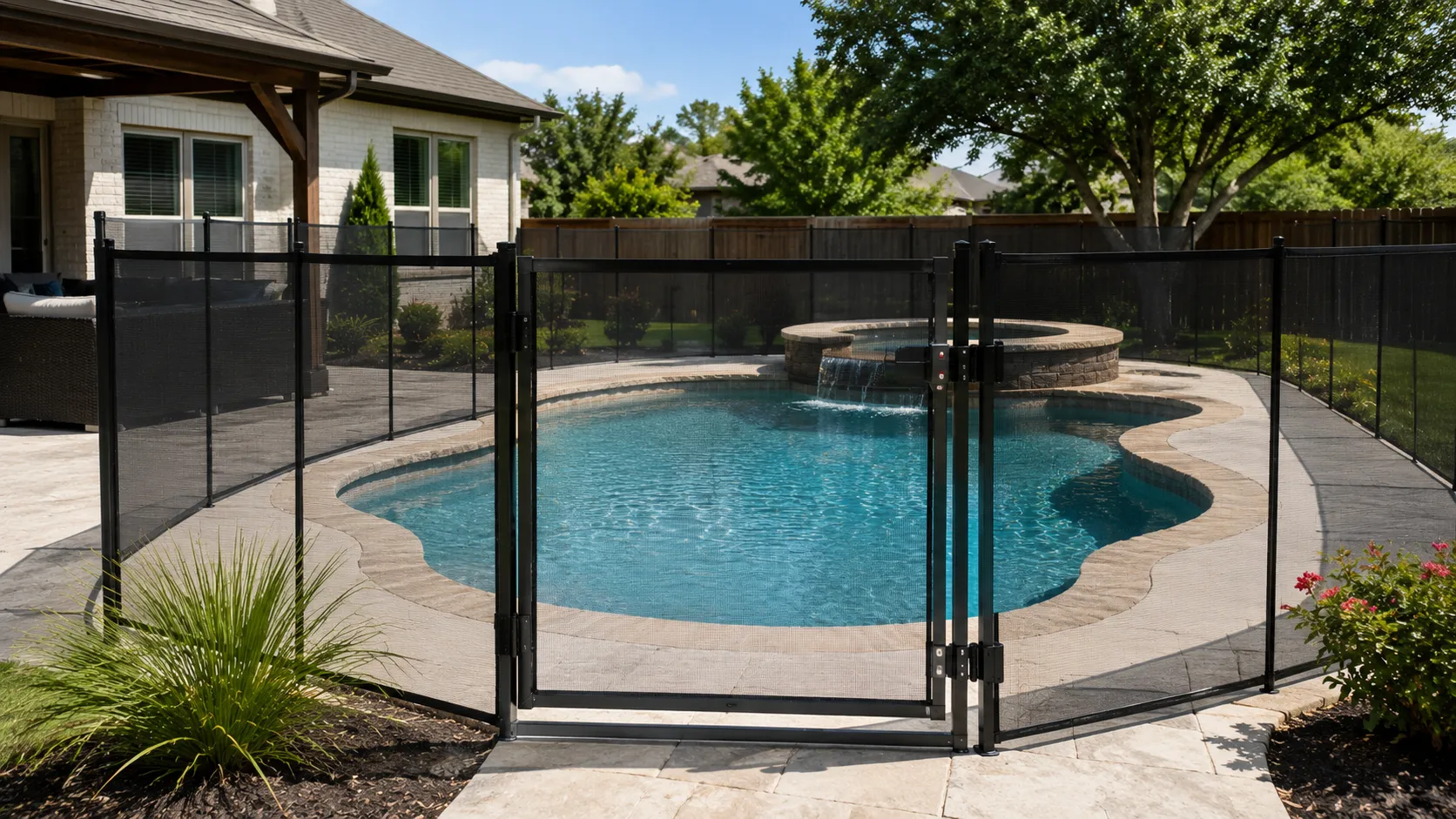
Why the Gate Itself Is Such a Big Deal
A lot of pool accidents come down to one simple thing: someone got into the pool area who shouldn’t have, often because a gate was left open by mistake. It happens more easily than people think — someone’s carrying groceries, chasing a dog, distracted for two seconds, and the gate just doesn’t get latched.
A self-closing gate takes that human error out of the equation. It swings shut on its own after someone walks through, whether they remember to close it or not. That one small mechanical detail ends up being a meaningful layer of protection, especially in households with young kids.
How Do These Gates Actually Work?
Instead of a standard hinge, self-closing gates use spring-loaded hinges or a hydraulic mechanism that pulls the gate back to closed automatically, every time.
Most also come with a latch mounted high enough that small children can’t easily reach it. Put together, this means the gate:
- Swings shut on its own after every use
- Latches securely without anyone having to think about it
- Makes it much harder for someone to wander in unsupervised
- Adds a reliable layer to your overall pool safety setup
That combination is a big part of why self-closing gates are considered one of the more dependable pool safety features out there.
Meeting Local Safety Requirements
A lot of areas actually require self-closing gates and protective barriers around residential pools by code. The specifics vary depending on where you live, but common requirements tend to include:
- Self-closing operation
- Self-latching hardware
- Gates that swing away from the pool, not toward it
- A minimum fence height
- Latches positioned out of a child’s reach
Meeting these standards isn’t just about following the rules — it can also matter for insurance purposes. It’s worth double-checking the exact requirements in your area before installing or upgrading a gate.
A Gate Is Only Part of the Picture
No single feature makes a pool completely safe — a self-closing gate works best as one piece of a bigger barrier system that includes fencing, secure locks, alarms, and, most importantly, someone actually watching.
Together, these layers help:
- Stop unsupervised access to the pool
- Cut down on the risk of accidental falls
- Keep pets away from the water when needed
- Improve overall security around the backyard
The more of these working together, the lower the risk of something going wrong.
Why the Latch Matters Just as Much as the Gate?
Even a great self-closing gate isn’t much use if the latch on it isn’t reliable. A good latch should:
- Engage automatically every single time the gate closes
- Hold up against rust and weather over time
- Be genuinely hard for a child to operate
- Need very little upkeep
- Keep working consistently through every season
It’s worth checking your latch every so often just to make sure it’s still doing its job the way it should.
Why Professional Installation Is Worth Paying For?
There’s more to installing one of these gates than just bolting on hinges and a latch. Alignment, spring tension, and mounting all have to be right, or the gate won’t reliably close and latch the way it’s supposed to.
A professional installer knows how to handle:
- Proper fence and gate placement
- Correct hinge adjustment
- Latch positioning
- Local code requirements
- Long-term durability
Getting it installed properly the first time gives you a lot more confidence that it’ll actually work when it matters.
Keeping It Reliable Over Time
Like anything outdoors, pool gates need a little periodic attention to keep functioning well. That means:
- Checking hinge tension
- Testing that the self-closing mechanism still works smoothly
- Making sure the latch still catches every time
- Tightening any loose hardware
- Clearing dirt and debris from moving parts
- Swapping out worn parts before they fail
A few minutes of maintenance a couple times a year goes a long way toward avoiding a bigger repair — or worse, a gate that fails right when you needed it most.
Other Layers Worth Adding
A self-closing gate is great, but it’s not a substitute for actually watching the pool. To round things out, consider:
- Pool alarms
- Non-slip decking around the pool
- Rescue equipment kept nearby
- Swim lessons for kids
- Posted pool rules
- Learning CPR
- Never leaving kids unattended near water, even briefly
Layer enough of these together, and you end up with a backyard that’s about as safe as it can reasonably be.
Bottom Line
A self-closing pool gate is one of the smartest, most straightforward investments you can make in backyard safety. Paired with a solid latch, proper barriers, and code-compliant installation, it meaningfully cuts down the risk of accidental pool access — and gives you real peace of mind. At Westbank Pools, we believe a backyard pool should be just as safe as it is enjoyable. Our team can help design and install a safety setup that protects your family without getting in the way of actually enjoying the space.

