
A backyard pool is one of those things that makes a house feel like home — cookouts, kids splashing around, lazy Sunday afternoons. But all that enjoyment comes with a responsibility that’s easy to underestimate: keeping the people around it safe. If you’ve got young kids, pets, or guests coming and going, pool safety isn’t optional — it’s part of owning the pool.
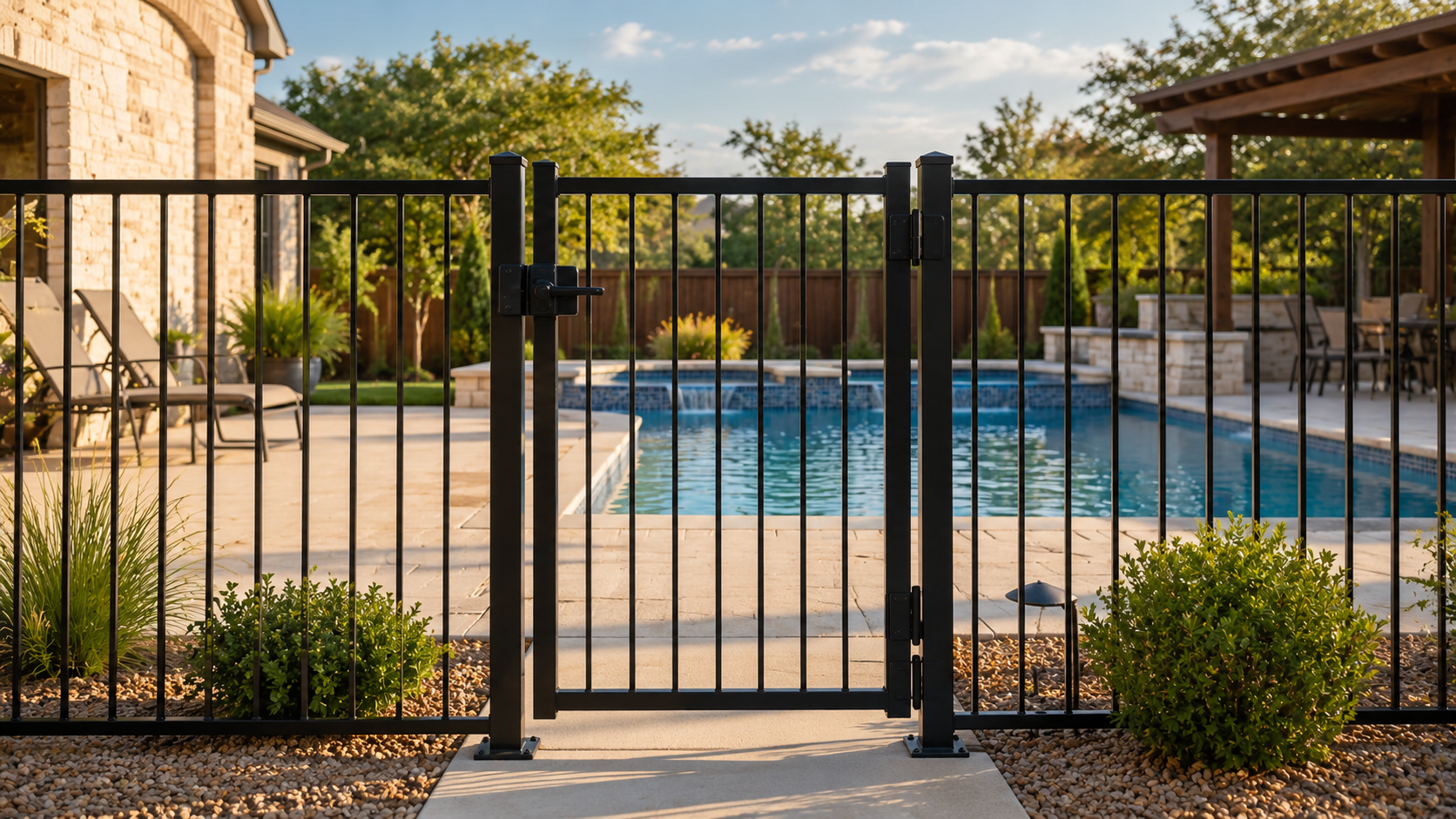
One of the simplest upgrades you can make is also one of the most effective: a self-closing pool gate. It doesn’t look like much, but it quietly does a lot of heavy lifting when it comes to preventing accidents and giving you one less thing to worry about.
Here’s a closer look at how these gates work, why they matter, and where they fit into a broader pool safety setup.
Why This Isn’t Something to Skip
Most pool accidents don’t happen because someone was careless in some dramatic way. They happen in a few unsupervised seconds — a gate left open, a kid wandering off while the adults are distracted for a minute. Young children especially can slip into a pool area without anyone noticing right away.
And it’s not always about forgetfulness, either. Even attentive adults leave a gate open sometimes, just by accident, after carrying in pool floats or chatting with a neighbor on the way out. That’s really the whole point of a self-closing gate — it doesn’t rely on anyone remembering anything.
What Exactly Is a Self-Closing Pool Gate?
It’s a gate built with spring-loaded or hydraulic hinges that pull it shut on their own after someone walks through. No one has to think about it — the gate just swings closed every time. Most of these systems also latch themselves automatically once they close, so the pool area stays sealed off even if a person walks away without a second thought.
How It Actually Prevents Accidents?
It takes human error out of the equation. An open, unlatched gate is one of the most common reasons kids end up near water they shouldn’t be near. Maybe someone was gardening, maybe they’d just finished swimming — doesn’t matter. A self-closing gate resets itself every single time, so that risk basically disappears.
It becomes a real barrier, not just a formality. Paired with solid fencing, a self-closing gate turns into an actual part of your pool’s safety perimeter — not just a gap that happens to have a door in it. Together they make it genuinely difficult for a child or pet to wander unsupervised.
It helps you meet code. A lot of local building requirements exist specifically to cut down on accidental drownings, and they usually spell out things like:
- Gates that swing away from the pool, not toward it
- Self-closing hinges
- Self-latching mechanisms
- A minimum gate height
- Fencing that fully encloses the pool area
Meeting these isn’t just about avoiding a fine — it’s the difference between a pool area that’s actually protected and one that just looks protected.
Don’t Overlook the Latch
The closing mechanism gets most of the attention, but the latch is doing just as much work. A good latch locks the moment the gate shuts, and it’s usually mounted high enough that a small child can’t reach or figure out how to open it.
Worth checking every so often, though — latches wear down like anything else. If yours feels loose, sticks, or doesn’t fully engage anymore, get it fixed before it becomes the reason something goes wrong.
The Perks You Might Not Expect
Preventing accidents is the main reason to install one of these, but there’s more to it than that.
You get real peace of mind — the kind where you’re not mentally tallying whether the gate got closed after the last person went through. It’s more convenient too, since nobody has to be reminded to shut it behind them. Homes with visible safety features like this tend to appeal more to buyers, especially families with young kids, so it can genuinely help resale value. And most of these systems are built to hold up to sun, rain, and everyday outdoor wear, so it’s not something you’ll be replacing every couple of years.
Get It Installed Properly
Even a great gate underperforms if it’s hung wrong. Professional pools installation makes sure the gate swings and closes smoothly, the latch actually engages every time, and everything lines up correctly with the rest of your fencing. A good installer will also make sure the whole barrier meets local code — not just the gate itself.
After that, it’s mostly a matter of checking on things occasionally. A quick inspection now and then keeps the gate working the way it’s supposed to for years.
It Works Best as Part of a Bigger Picture
A self-closing gate is one of the strongest safety upgrades you can make, but it shouldn’t be the only one. Consider layering it with:
- Four-sided fencing around the entire pool
- A pool alarm
- A safety cover when the pool’s not in use
- Non-slip decking
- Clear rules for kids and guests around the water
- Regular check-ins on gates, latches, and fencing
None of these replace each other — they stack, and each layer makes the whole area safer.
Final Thoughts
A self-closing pool gate may seem like a simple feature, but it plays a vital role in preventing backyard accidents. By automatically closing and latching after every use, it helps reduce human error, supports backyard pool safety, and strengthens your home’s swimming pool safety barriers. Combined with a reliable pool gate latch, proper fencing, and professional pool safety installation, it creates a safer outdoor space for family, friends, and guests.
At Westbank Pools, we believe every pool should be as safe as it is enjoyable. Whether you’re installing a new pool, upgrading your fencing, or ensuring your property meets pool gate safety requirements, our experienced team can help you choose the right safety solutions. From durable pool safety gates to complete backyard pool enhancements, we’re committed to helping you create a beautiful, secure, and worry-free outdoor living space.

